Why expandable WordPress site design is important for growing businesses
For companies aiming to expand without redesigning their site every few years, flexible WordPress website design is a smart advantage. A solid custom WordPress development approach provides your website a technical foundation that can support additional traffic, additional pages, more services, and greater conversions as the business expands. That matters whether you are a startup building momentum or an established company preparing for the next stage of business growth.
Scalable design is not only about handling more visitors. It is also about keeping the site manageable as content, campaigns, and customer needs expand. A site that is built with website scalability in mind can adapt to changing offers, new landing pages, added team members, and ongoing content management without creating delays or technical debt.
Strong web design should also strengthen user experience. When navigation is clear, pages load quickly, and the interface is intuitive, users stay longer and engage more deeply. That helps build confidence, supports lead generation, and strengthens the overall conversion path. For businesses investing in SEO services and digital marketing, this connection between design and outcomes is vital.
What makes a WordPress site scalable from the start
A expandable site begins with the best technical foundations. Hosting architecture should support your growth goals, not just your current traffic. If a site is expected to expand, the hosting environment needs room for more traffic, stronger caching, and reliable uptime. Reliable hosting is one of the first factors that can shape scalability.
Next comes theme optimization. A lightweight, versatile theme supports performance optimization and reduces unnecessary code. The goal is not to install all available features, but to create a growth-ready structure that loads efficiently and can be extended without slowing the site down. That also supports site speed and page load speed, both of which affect user behavior and search performance.
Plugin strategy is just as important. Too many plugins, or poorly maintained ones, can create conflicts and weaken the technical foundation. A careful plugin architecture prioritizes only the tools you need for forms, SEO, analytics, ecommerce, scheduling, or automation. The fewer unnecessary dependencies you have, the easier it is to maintain stability over time.
Database performance also is a major factor. As content grows, a heavy database can slow down the backend and the front end. Database optimization helps WordPress handle more posts, more media, and more user activity without sacrificing reliability. When these decisions are made early, the site is better positioned for lasting scalability and better overall operations.
Bespoke design vs. ready-made layouts
There’s a big difference between custom web design and using ready-made themes. Prebuilt layouts can be a simple way to launch, but they often force the business to fit into a one-size-fits-all layout. That can limit brand consistency, diminish flexibility, and result in a site that feels alike to every competitor using the same theme.
With custom design, the site is built around your goals, your audience, and your workflow. That means stronger support for conversion-focused pages, extra control over content layouts, and a structure that can adapt as your marketing needs change. For teams focused on digital marketing, this flexibility is important because the website should enhance campaigns, not hold back them.
Custom development also improves site speed. Many prebuilt themes come with resource-intensive scripts, design elements, and features you may never use. Those extras can impact mobile responsiveness and reduce responsive design, especially on larger pages. A cleaner custom build cuts friction and drives stronger performance across devices.
For businesses in competitive categories, custom design helps with brand differentiation. Whether you are a healthcare provider, university program, home service company, or professional firm, the website should project credibility immediately. A distinctive design demonstrates that the company is invested in quality and ready to serve clients at a higher level.
Search engine optimization services built into the WordPress framework
Strong SEO services ought to be integrated into the WordPress setup from the start, not tacked on as an afterthought. It begins with technical SEO, which ensures that search engines can find, process, and store the site properly. Clean URL structures, proper heading hierarchy, and fast-loading templates all help strengthen search visibility.
Schema markup is an additional essential element. By using structured data, a WordPress site can give search engines with clearer context about services, locations, reviews, events, FAQs, and organization details. This supports better presentation in search results and improves the site’s technical foundation for long-term SEO.
On-page optimization should be embedded in the content strategy from the outset. That includes keyword placement, internal linking, metadata, and page intent. When pages align with keyword intent, they are more likely to attract the right visitors and generate meaningful action. The result is not just traffic, but better-qualified traffic.
Crawlability is also essential. If search engines cannot easily navigate the site, your content may never achieve results to its full potential. A scalable WordPress site uses logical navigation, strong internal links, and a well-planned sitemap to support both users and search engines. That combination raises rankings and helps the website remain efficient as it grows.
How online marketing objectives influence the site structure
A WordPress website should be structured around company goals, not just visual tastes. When digital marketing is part of the plan, the site becomes a system for conversion rate optimization, lead capture, and clear results. Every page should have a role in the overall funnel.
Conversion funnels influence how visitors move from awareness to action. A visitor may arrive from search engine traffic, a paid campaign, or social media, then move to a service page, a comparison page, and finally a contact form. A strong navigation structure helps guide that journey without uncertainty.
Landing pages are especially important for campaign performance. They let teams build purpose-built offers for specific services, geographies, or audiences. For example, a Syracuse firm serving multiple counties may need separate landing pages for key service areas across Central New York. That gives marketers a better way to match pages with audience needs and campaign goals.
Analytics tracking makes this structure measurable. By monitoring form submissions, button clicks, calls, and page paths, teams can identify what drives user engagement and what needs adjustment. This is where website strategy becomes a data-informed process instead of guesswork. For companies focused on lead generation, this insight is invaluable.
Employing AI experts to improve content, UX, plus automation
Working with AI experts can help businesses leverage their WordPress site more strategically. An effective AI workflow can accelerate research, assist with content planning, and identify opportunities for content optimization. This enables marketing teams to work more efficiently while maintaining quality and consistency.
AI can also improve user experience by helping teams analyze behavior and optimize page structure. For instance, pattern analysis may highlight where users get stuck, which content performs best, or how visitors move through the site. These findings can guide adjustments in messaging, layouts, and calls to action.
Chatbots are yet another effective use case. They can answer common questions, help users navigate to the right service, and support after-hours communication. For companies that rely on quick responses, chatbots can improve satisfaction and reduce friction in the inquiry process.
Personalization is also becoming more important. When content adapts to user behavior, geography, or interest area, engagement tends to improve. AI-driven recommendations can support relevance, strengthen automation, and create a more useful experience for visitors. Used well, AI enhances workflow efficiency rather than replacing thoughtful strategy.

Core WordPress features for sustainable scalability
Many WordPress features promote long-term scalability when they are used strategically. The Gutenberg editor gives teams a flexible way to organize content while maintaining page building uniform. It enables https://syracuse-ny-vv692.readspirex.com/posts/how-to-build-an-email-list-for-your-syracuse-business marketers and editors to build new pages without relying on developers for every tiny update.
Custom post types are an additional strong tool for scalable content management. They allow you to organize services, case studies, team profiles, resources, testimonials, and locations in a organized way. That makes the backend easier to manage and the frontend easier to navigate, especially as the site grows.
Multisite can be helpful for organizations with multiple brands, departments, or locations. It provides centralized control while allowing separate sites or sections to stay independent. For larger organizations or regional operations, multisite can ease governance and ensure consistency across a broad digital presence.
API integrations are ever more important as websites connect with CRMs, scheduling tools, marketing automation platforms, and payment systems. These integrations boost automation and workflow efficiency, while reducing manual work for internal teams. For growing businesses, that kind of flexibility supports scalability without adding unnecessary complexity.
Sunstone Digital Tech201 E Jefferson St, Syracuse, NY 13202
(315) 758-3349
https://maps.app.goo.gl/LNcnKZaUXSqxHPoT8
https://sunstonedigitaltech.com/
43.0471862, -76.1504376
Performance, protection, and upkeep key guidelines
No scalable website is complete without a plan for site maintenance. Routine core updates keep WordPress secure, consistent, and working well with plugins and themes. Postponing updates can increase risk and make future changes harder to manage.
A reliable backup strategy is also important. If something breaks, the team should be able to restore the site promptly and accurately. Backups are not just a technical precaution; they are part of operational continuity. They protect content, customer data, and business confidence.
A CDN, or content delivery network, can boost page load speed by serving assets from locations closer to users. That helps sites perform better for visitors across different regions, which is especially useful for businesses serving both local and broader audiences. Combined with caching and image optimization, a CDN can noticeably improve the user experience.
Website security should never be treated as optional. Strong passwords, limited user access, malware monitoring, and secure hosting all matter. Security protects the company’s reputation and the trust of users. For organizations managing forms, inquiries, or customer information, strong security is part of responsible web design.
A Syracuse, NY approach to local web design strategy
A effective website strategy in Syracuse, NY must reflect both the local market and the broader region. Businesses in Central New York often compete not only in their immediate city, but also across Onondaga County and nearby communities. That means websites need a local presence and the flexibility to reach a regional audience.
For local companies in healthcare, education, home services, and professional services, scalable design helps support both trust and growth. A healthcare practice may need service pages for specific specialties. A university department may need program pages and event landing pages. A home services company may need local service area pages. A professional services firm may need credibility-focused content, testimonials, and detailed contact flows. In each case, website scalability supports the business model.
Local SEO is especially important in this area. The site should add location-based landing pages, regional service area details, and clear contact information that reflects the communities served. That helps businesses compete across local and regional search results while reinforcing trust signals. Including Syracuse-specific details, Onondaga County references, and nearby Central New York communities makes the site more relevant to the people most likely to convert.
Regional credibility cues also play a role. If a business operates in Syracuse and the nearby area, the website should clearly show it through service pages, contact pages, and location content. Local phone numbers, physical addresses where appropriate, and localized messaging can all support credibility. For businesses that want to grow within Central New York, these details improve both SEO and user confidence.
What to ask before hiring a WordPress web design partner
Picking the best partner for WordPress design is a smart step. Begin with a portfolio review. Check for instances of bespoke builds, flexible structures, and websites that demonstrate effective design and functional thinking. A good portfolio should show more than attractive pages; it should highlight results, adaptability, and smart architecture.
Ask about the agency’s SEO approach. When the staff does not account for technical SEO, structured data, on-page SEO, and crawlability at the outset, you may wind up with a site that appears polished but underperforms. The best partners recognize how design, content, and search visibility interact.
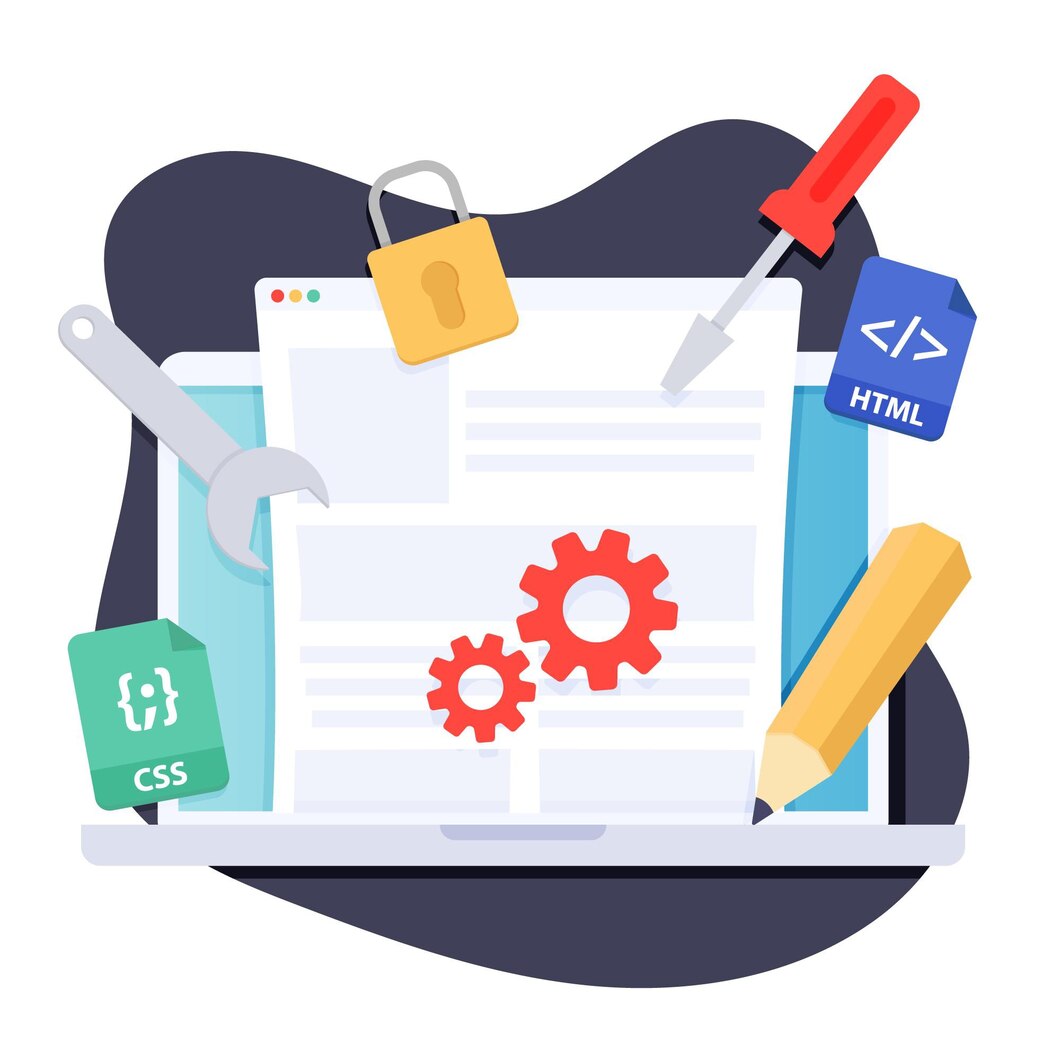
Project coordination also matters. A growing website demands collaboration between strategy work, creative design, coding, content, and testing. It helps to have a provider with a solid timeline, communication plan, and workflow for acceptance and revisions. This keeps the project moving and minimizes risk.
Lastly, check on ongoing support. A website is never truly finished. As your organization grows, you will need adjustments, issue resolution, content updates, and perhaps new campaign pages. A reliable partner will assist with continuous website upkeep, protection, performance tuning, and upcoming upgrades. That help is what keeps the site growth-ready.
FAQ
What makes for custom WordPress web design stronger for scalable websites?
Custom WordPress web design is better for scalable websites because it is built around your particular goals, workflows, and growth plans. Instead of pushing your business into a rigid template, custom development supports website scalability, better content management, stronger user experience, and easier expansion as your needs change. It also creates a more stable technical foundation for future SEO services and digital marketing efforts.
How can SEO services get built into a WordPress website?
SEO services should be part of the build from day one. That includes technical SEO, schema markup, on-page optimization, crawlability, fast site speed, and clear navigation. A well-built WordPress site also supports structured data, keyword intent, and search visibility through clean architecture and content strategy.
Do digital marketing goals influence WordPress site structure?
Yes. Digital marketing goals should directly shape site structure because the website needs to support conversion funnels, landing pages, analytics tracking, and lead generation. If the site is built around campaign goals, it becomes easier to capture leads, measure performance, and improve conversion rate optimization over time.
How can AI experts help improve WordPress web design and content?
AI experts can help streamline the AI workflow, improve content optimization, support automation, and create more personalized user experiences. They can also help teams analyze user behavior, refine messaging, and add tools like chatbots that improve engagement and response speed. Used well, AI can increase workflow efficiency without sacrificing quality.
What do Syracuse, NY businesses look for in a WordPress design partner?
Syracuse, NY businesses should look for a partner with a strong portfolio review, a clear SEO process, reliable project management, and ongoing support. They should also choose a team that understands local SEO, Central New York search competition, regional audience needs, and location-based landing pages. That combination helps a website serve both local customers and broader regional growth goals.